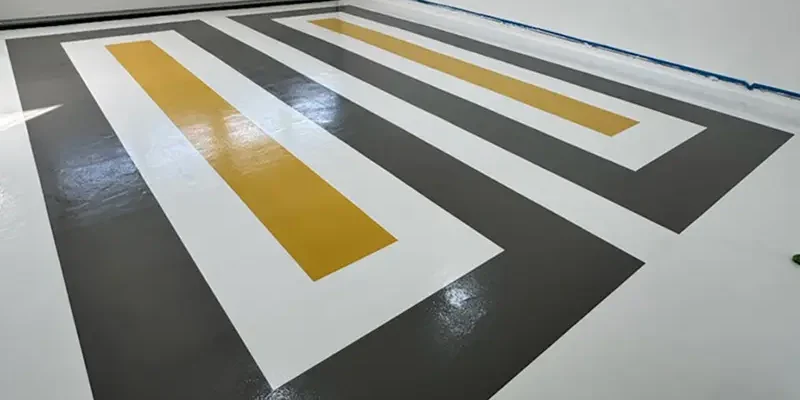
When choosing a high-performance floor coating for a garage, warehouse, commercial facility, or industrial space, two of the most popular options are epoxy and polyaspartic coatings. Both provide excellent protection for concrete floors, but they differ in curing time, UV resistance, durability, and overall performance.
Understanding the differences can help you select the best coating system for your specific needs and budget.
Epoxy is a multi-component coating consisting of a resin and a hardener. When combined, these materials create a tough, durable surface that bonds tightly to concrete.
For decades, epoxy has been the industry standard for commercial, industrial, and residential flooring applications due to its strength, chemical resistance, and cost-effectiveness. UCoat It offers a wide selection of epoxy products like water based, low viscosity high solids and 100% high solids.
Benefits of epoxy coatings
Polyaspartic coatings are an advanced coating technology derived from polyurea chemistry. They have gained popularity because of their rapid curing times and exceptional UV stability.
Unlike traditional epoxy coatings, polyaspartics can often be installed and returned to service within a single day, making them ideal for projects where downtime must be minimized. UCoat It over the last few years has contunally improved our technology in producing polyaspartics with different levels of curing speeds for the DIY’er and veteran installer.
Benefits of Polyaspartic coatings
Cure Time
One of the most significant differences is curing speed. Traditional epoxy systems typically require 12 to 24 hours between coats and several days before full service can resume. Polyaspartic coatings can often cure in just a few hours, allowing facilities to reopen much faster. If downtime is a major concern, polyaspartic has a clear advantage.
UV Resistance
Epoxy coatings can amber or yellow over time when exposed to direct sunlight or UV radiation if not top coated with a uv stable urethane or polyaspartic. Polyaspartic coatings are highly UV stable and maintain their color and gloss for years, making them an excellent choice for garages with open doors, showrooms, and outdoor applications.
Durability And Wear Resistance
Both coatings are highly durable, but polyaspartic coatings generally offer slightly greater resistance to abrasion, scratches, and impact. For high-traffic environments where appearance is important, high build epoxy or epoxy broadcast systems provide longer-lasting protection with extensively longer wear resistance.
Installation Window
Epoxy’s longer working time makes it easier to apply, especially for DIY users and larger projects. Polyaspartic coatings cure quickly, which means installers must work faster and more efficiently during application.
Cost
Our epoxy coatings are generally more affordable than polyaspartic systems. For projects where budget is the primary consideration, epoxy often provides the best value while still delivering excellent long-term performance.
Yes. Most of our floor coating systems can use a polyaspartic top coat allowing customers to have the best of both worlds – using our epoxy based products as a primer/base and a polyaspartic for a topcoat. This will feature the benefit of the strength and value of epoxy with the long-term appearance retention and uv stability of polyaspartic.
Here are a few recommended system that allow you to use both:
A high-build epoxy system designed for garages that experience heavier traffic and demanding use. The Finitezza System provides a thicker, high-build epoxy surface with excellent abrasion resistance and the ability to fill minor concrete imperfections. It’s a great choice for workshops and heavy-use garages.
The UCoat with UFlek-AF System is one of the most popular choices because it combines a durable epoxy base with decorative flakes that help hide dirt, tire marks, and minor concrete imperfections while providing excellent wear resistance.
a premium decorative floor coating system designed to deliver the appearance of a terrazzo floor. It combines a water-based epoxy primer/base coat, a full broadcast of decorative UFlek flakes, and a topcoat to create a seamless, high-performance finish.
Both epoxy and polyaspartic coatings are excellent choices for protecting and enhancing concrete floors. Epoxy remains a proven, cost-effective solution for many commercial and industrial applications, while polyaspartic coatings offer faster installation, superior UV resistance, and exceptional durability.
For many facility owners, the ideal solution is a system that combines an epoxy base coat with a polyaspartic topcoat, delivering long-lasting performance, attractive appearance, and maximum protection for years to come.
The primary difference is cure time and UV resistance. Epoxy coatings take longer to cure and can yellow when exposed to sunlight, while polyaspartic coatings cure much faster and offer superior UV stability.
Neither coating is universally better. Polyaspartic excels in UV resistance, fast return to service, and abrasion resistance, while epoxy offers excellent durability, strong adhesion, and a more cost-effective solution for many applications.
Epoxy systems require 4 to 12 hours between coats and around 24 hours before heavy traffic or vehicle use is recommended. Polyaspartic systems can be returned to service within a few hours, making them ideal for fast-track projects. Both epoxy and polyaspartic coatings have virtually the same full cure range for harsh chemicals.
Polyaspartic coatings are typically better suited for outdoor applications because they offer superior UV resistance. Epoxy as a standalone coating is generally not recommended for prolonged outdoor exposure, they can be top coated with uv stable urethanes making them suitable for outdoor use.
Yes. Our water based epoxy offers a direct to concrete damp/wet application. Epoxies have a longer working time, making it more forgiving during application. Polyaspartic coatings cure quickly, requiring installers to work faster and require a surface grind preparation to ensure proper adhesion.
Recommended For You
Everything You Need to Know About Premium Metallic Epoxy Flooring
Learn what floor coating in perfect for your garage and what benefits they provide

Learn what floor coating in perfect for your garage and what benefits they provide
Reach out to talk about your application, request samples, or get a quote.